
In an era where security threats are increasingly sophisticated, bulletproof doors have emerged as a vital component in safeguarding lives and assets across various sectors. These specialized doors are engineered to withstand ballistic assaults, offering a formidable barrier against unauthorized access and potential harm.
Bulletproof doors, more accurately termed bullet-resistant doors, are constructed using materials designed to absorb and dissipate the energy from ballistic projectiles. Common materials include hardened steel, aluminum, and ballistic-rated fiberglass, often combined with bullet-resistant glass for visibility without compromising safety. The effectiveness of these doors is measured against standards like the UL 752, which categorizes protection levels from Level 1 (resisting small-caliber handguns) to Level 8 (withstanding high-powered rifle fire) .
1. Enhanced Security: Bulletproof doors serve as a deterrent to potential intruders, making unauthorized entry significantly more challenging. Their robust construction can delay or prevent forced entry, providing critical time for occupants to respond or for law enforcement to arrive.
2. Protection Against Ballistic Threats: These doors are specifically designed to resist penetration from firearms, reducing the risk of injury or death during an attack. They also prevent spalling, where fragments from the door material could cause additional harm.
3. Durability and Longevity: Constructed to meet rigorous standards, bulletproof doors are built to withstand not only ballistic impacts but also environmental factors, ensuring long-term reliability.
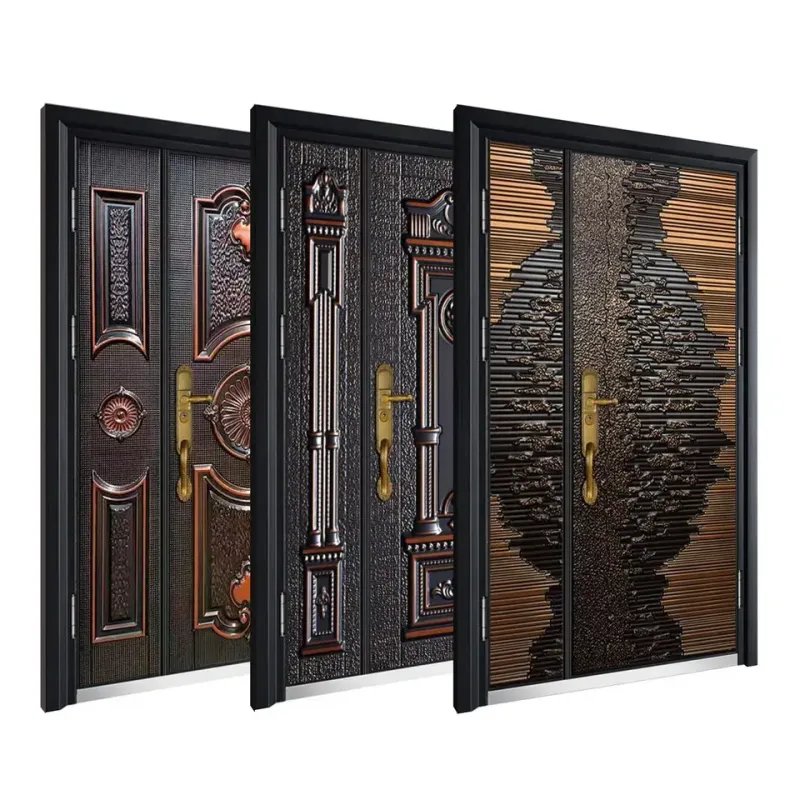
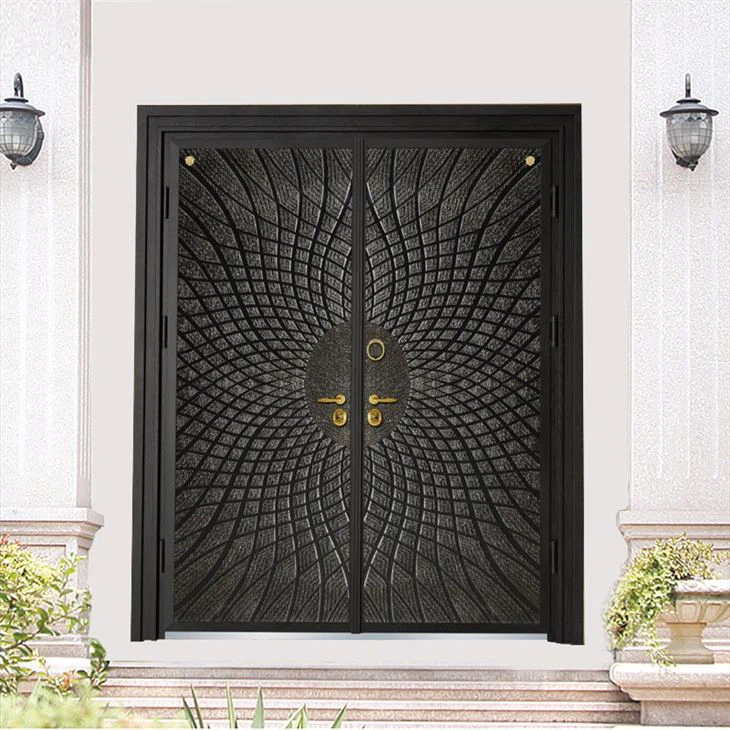
4. Versatility in Design: Modern bulletproof doors are available in various designs, including full-vision panels and customizable finishes, allowing them to blend seamlessly into different architectural styles without compromising security
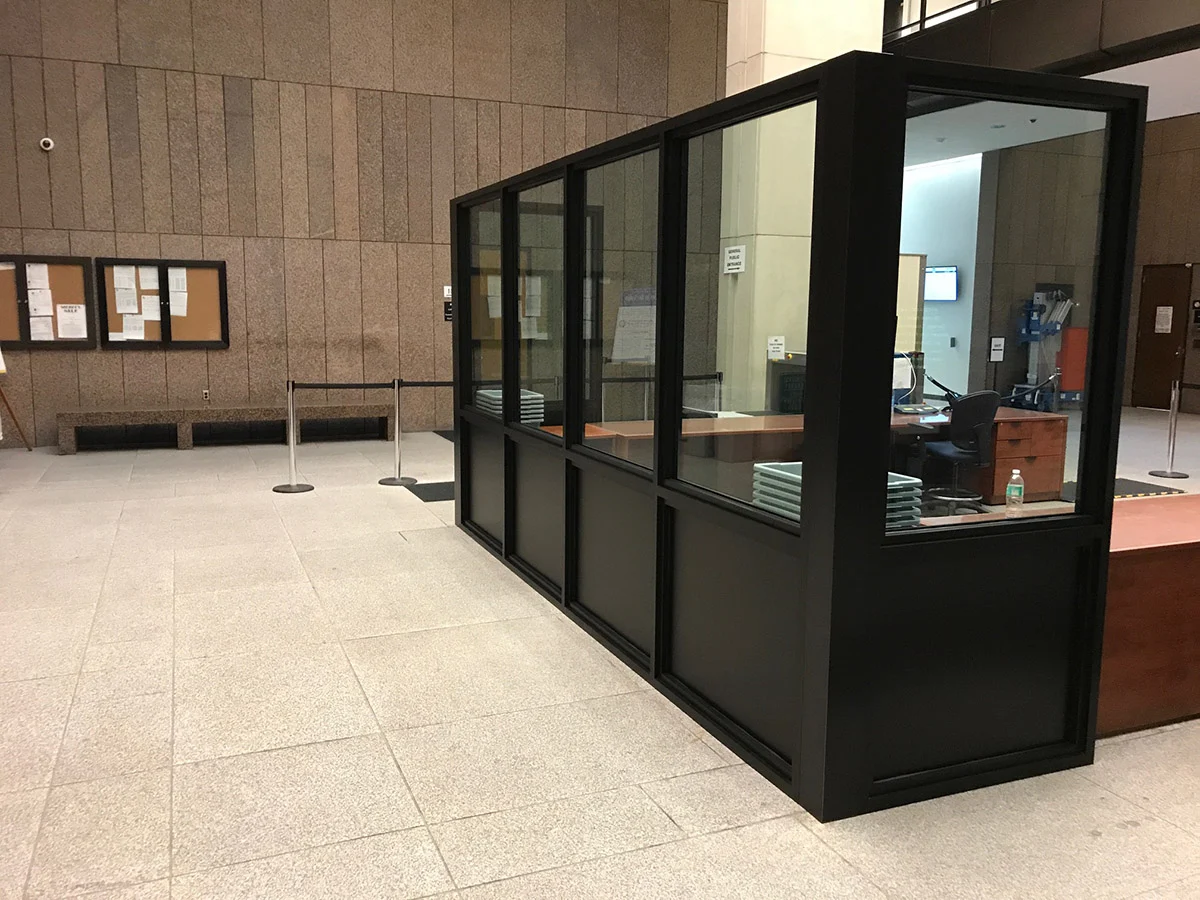
Commercial and Retail Spaces: Businesses such as banks, convenience stores, and dispensaries often utilize bulletproof doors to protect cash reserves and valuable inventory. The presence of these doors can deter criminal activities by presenting a formidable obstacle to potential thieves.
Educational and Religious Institutions: In schools and places of worship, bulletproof doors contribute to creating safe zones, allowing for effective lockdown procedures during emergencies and enhancing overall safety for occupants.
Government and Military Facilities: High-security areas require doors that can withstand significant threats. Bulletproof doors in these settings are often integrated with access control systems to manage entry and exit efficiently.
Healthcare Facilities: Hospitals and clinics may employ bulletproof doors to protect sensitive areas, such as pharmacies or emergency rooms, ensuring the safety of both staff and patients.

Adherence to established standards is crucial in the manufacturing and installation of bulletproof doors. The UL 752 standard is widely recognized, outlining specific requirements for materials and construction methods to ensure adequate protection levels. Additionally, compliance with the National Institute of Justice (NIJ) and ASTM standards may be necessary, depending on the application and jurisdiction.
Assessment of Threat Level: Determining the appropriate level of bullet resistance is essential. This involves evaluating potential threats and choosing doors that meet or exceed the required protection level.
Integration with Security Systems: Bulletproof doors should be part of a comprehensive security strategy, including surveillance, alarms, and access controls, to maximize effectiveness.
Professional Installation: Proper installation by certified professionals ensures that the doors perform as intended and comply with relevant safety standards.
Maintenance and Inspection: Regular maintenance and inspections are necessary to maintain the integrity and functionality of bulletproof doors over time
Bulletproof doors represent a critical investment in safety and security for various facilities. Their ability to resist ballistic threats, coupled with durability and design versatility, makes them an indispensable component in modern security infrastructure. By understanding their features, applications, and compliance requirements, organizations can make informed decisions to protect their assets and occupants effectively.